
PDRN Skin Treatment: Polydeoxyribonucleotide Therapy for Skin Regeneration
PDRN skin treatment is a regenerative injectable therapy that uses polydeoxyribonucleotide compounds to stimulate skin repair, support collagen production, and improve overall skin quality. In aesthetic dermatology, this treatment is used to activate biological pathways involved in tissue regeneration and dermal recovery.
Advances in regenerative dermatology have introduced treatments designed not only to improve the visible appearance of skin but also to support cellular repair and tissue regeneration. Among these emerging therapies, PDRN skin treatment has gained increasing attention as a regenerative approach to improving skin structure and long-term skin health.
PDRN stands for polydeoxyribonucleotide, a biologically active compound composed of purified DNA fragments that have been studied in regenerative medicine for their potential role in supporting tissue repair and wound healing. In dermatology and aesthetic practice, PDRN injections are used to help improve skin elasticity, enhance texture, and restore skin vitality over time.
Unlike treatments that primarily focus on adding volume or tightening tissues, PDRN injections are designed to activate the skin’s own regenerative pathways. Because this approach focuses on biological repair rather than immediate volumisation, improvements tend to develop gradually as the skin responds to regenerative stimulation.
In regenerative dermatology, treatments such as PDRN are increasingly incorporated into protocols aimed at improving dermal structure, collagen support, and overall skin quality. For this reason, PDRN skin treatment is often used in treatment plans designed to address concerns such as skin ageing, reduced elasticity, uneven texture, acne scars, and general decline in skin vitality.
Today, regenerative injectable therapies such as PDRN are used by experienced aesthetic practitioners worldwide as part of modern strategies focused on long-term skin health and structural skin improvement, rather than short-term cosmetic change alone.
PDRN Skin Treatment: Quick Facts
- • Treatment type: Regenerative injectable therapy
- • Treatment category: Skin regeneration and collagen stimulation treatment
- • Active compound: Polydeoxyribonucleotide (PDRN)
- • Origin: DNA fragments derived from salmon DNA used in regenerative medicine
- • Primary goal: Support skin repair, regeneration, and improved skin quality
- • Mechanism: Activates cellular repair pathways and supports collagen production
- • Common treatment areas: Face, under-eye area, acne scar zones, neck
- • Skin concerns addressed: Skin ageing, reduced elasticity, dull skin, uneven texture, acne scars
- • Typical session duration: Approximately 20–30 minutes
- • Downtime: Minimal; mild redness or small injection marks may occur temporarily
- • Treatment course: Often performed as a series of sessions spaced several weeks apart
- • Results timeline: Improvements develop gradually as regenerative processes occur
- • Key distinction: Unlike dermal fillers, PDRN therapy focuses on skin regeneration rather than adding volume
What Is PDRN?
PDRN refers to polydeoxyribonucleotide, a compound composed of purified DNA fragments that has been studied in regenerative medicine for its role in supporting tissue repair and cellular regeneration. In dermatology and aesthetic medicine, PDRN skin treatment involves micro-injections of polydeoxyribonucleotide compounds into the superficial layers of the skin.
Once delivered into the skin, these compounds interact with biological pathways associated with tissue repair, helping stimulate processes involved in cellular regeneration, collagen production, and dermal repair. As a result, PDRN injections are used to improve overall skin quality rather than simply producing a temporary cosmetic change.
In aesthetic practice, PDRN skin treatment is classified as a regenerative injectable therapy. Unlike treatments designed primarily to add volume or reshape facial contours, regenerative therapies aim to support the structural health of the skin itself.
Because of these properties, PDRN injections are commonly used in treatment protocols designed to address concerns such as early skin ageing, reduced elasticity, uneven skin texture, and areas of damaged or weakened skin. Over time, the regenerative response stimulated by PDRN therapy can help improve the skin’s appearance by supporting healthier dermal structure and improved skin vitality.
Why PDRN Is Used for Skin Regeneration
The skin naturally undergoes continuous cycles of repair and renewal. However, factors such as ageing, ultraviolet exposure, environmental stress, and chronic inflammation can gradually slow these regenerative processes. When this occurs, the skin may begin to show visible changes such as reduced elasticity, uneven texture, and diminished radiance.
PDRN therapy is used in regenerative dermatology because polydeoxyribonucleotide compounds may support biological pathways involved in skin repair, tissue regeneration, and collagen synthesis. By stimulating these mechanisms, PDRN skin treatment aims to help restore the structural strength and functional quality of the skin.
Cellular Repair Activation
Polydeoxyribonucleotide compounds have been studied in regenerative medicine for their potential role in supporting cellular repair and tissue regeneration. In dermatology, these mechanisms are believed to contribute to improved skin recovery and dermal health.
Collagen and Elastin Support
Collagen and elastin are key structural proteins responsible for maintaining skin firmness and elasticity. PDRN injections are used in aesthetic medicine to support processes associated with collagen stimulation and dermal repair, which may contribute to gradual improvements in skin texture and resilience.
Improved Skin Quality
Because PDRN therapy focuses on regeneration rather than immediate correction, the improvements tend to develop progressively as the skin’s repair pathways respond to treatment. Patients seeking PDRN skin treatment often aim to improve skin texture, restore radiance, and support long-term skin quality.
This regenerative approach is one reason why PDRN therapy has become increasingly incorporated into modern treatment strategies that prioritize long-term skin health and structural improvement, rather than short-term cosmetic change alone.
What Skin Concerns Can PDRN Skin Treatment Help Improve?
PDRN skin treatment is used in aesthetic dermatology to support skin regeneration, collagen stimulation, and improved dermal repair. Because the treatment focuses on biological regeneration rather than immediate cosmetic correction, it is commonly considered for concerns related to skin structure, elasticity, and overall skin quality.
In regenerative dermatology, therapies such as PDRN injections are used to support cellular repair processes within the skin, helping address visible changes associated with ageing, inflammation, and environmental stress. As a form of regenerative skin therapy, PDRN treatment is typically chosen by patients seeking gradual improvement in skin texture, vitality, and structural integrity.
Skin Ageing and Loss of Elasticity
With ageing, collagen production gradually declines and the dermal matrix becomes weaker. These structural changes can lead to reduced elasticity, fine lines, and loss of skin firmness.
PDRN skin treatment is used to support collagen stimulation and dermal repair, helping improve skin resilience over time. By encouraging regenerative processes within the dermis, the treatment may contribute to gradual improvements in skin elasticity, texture, and overall skin vitality.
Acne Scars
Acne scars develop when inflammation disrupts the skin’s normal healing processes, leading to irregular dermal structure. Regenerative injectable therapies such as PDRN may support tissue regeneration and dermal repair, which can help improve the appearance of certain types of acne scars.
PDRN injections are sometimes incorporated into broader treatment strategies aimed at improving skin texture irregularities and scar-related skin damage.
Under-Eye Skin Quality
The under-eye region contains some of the thinnest skin on the face and is particularly vulnerable to skin thinning, dullness, and reduced elasticity. Because PDRN therapy focuses on improving skin quality rather than adding volume, it may be considered in carefully selected cases to support regeneration in delicate skin areas.
Regenerative treatments can help improve skin texture, dermal strength, and overall vitality in the under-eye region when appropriate treatment protocols are followed.
Skin Texture and Radiance
Environmental exposure, ageing, and chronic inflammation can affect the skin’s surface texture and overall brightness. PDRN injections are used in regenerative dermatology to support dermal repair and improved skin vitality, which may contribute to smoother texture and a healthier appearance over time.
Some treatment protocols also aim to support improved skin hydration and overall dermal quality, helping restore skin radiance and resilience.
Skin Damage From Environmental Stress
Environmental factors such as ultraviolet exposure, pollution, and oxidative stress can gradually impair the skin’s ability to regenerate. These factors may contribute to skin barrier damage, uneven texture, and loss of skin vitality.
PDRN skin treatment is sometimes used as part of regenerative skin therapy strategies aimed at supporting tissue repair and recovery in environmentally stressed skin.
Mechanism of Action: How Polydeoxyribonucleotide Therapy Repairs Skin
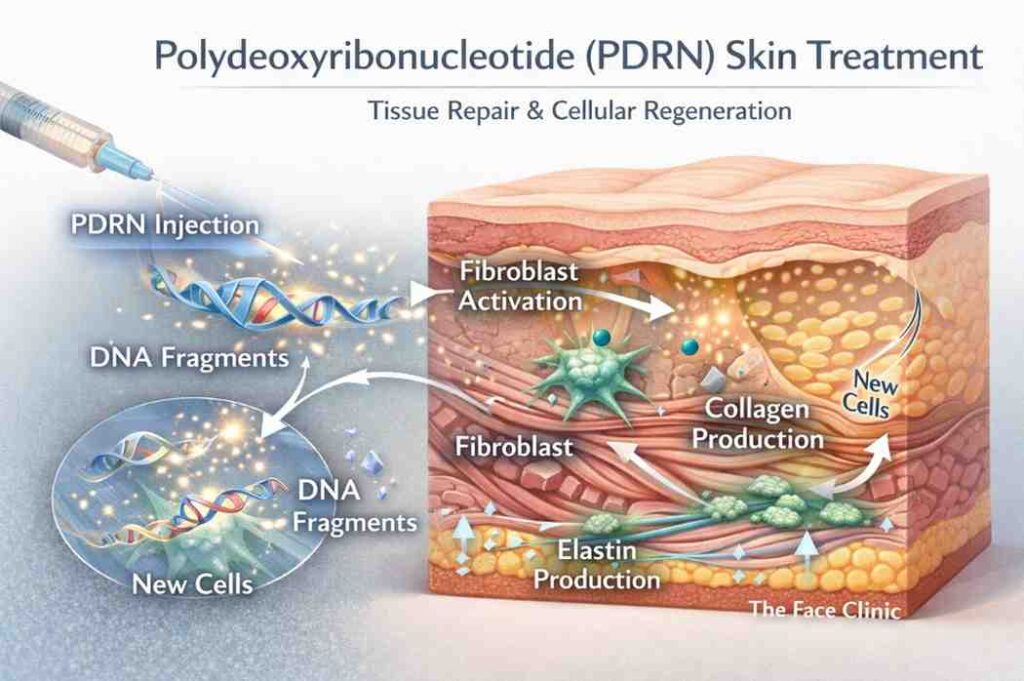
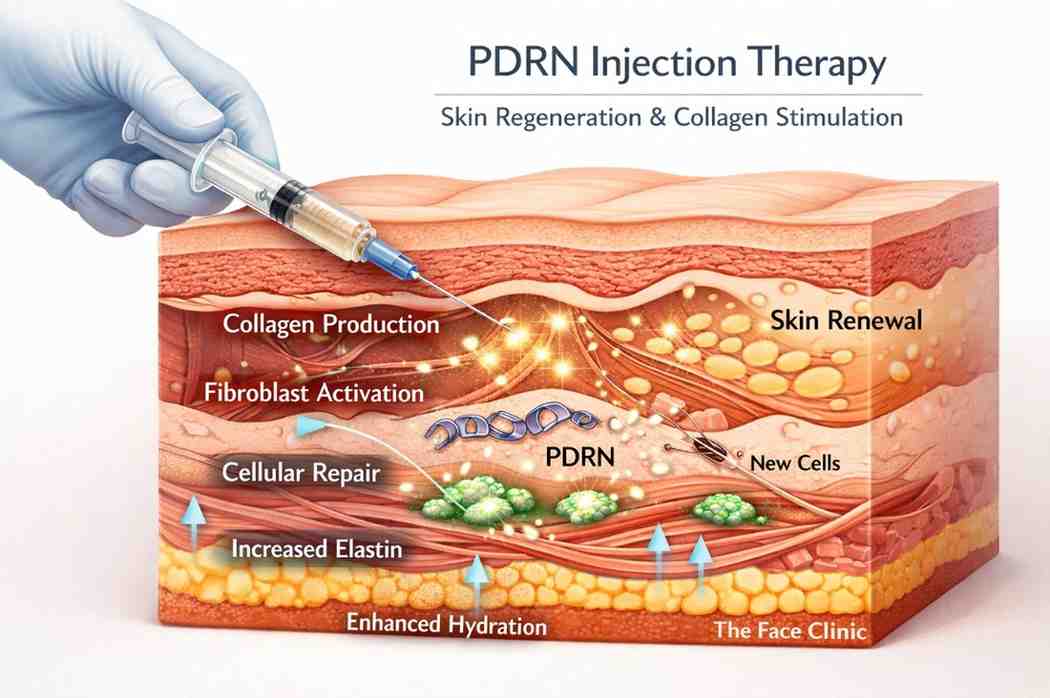
PDRN therapy works by activating fibroblasts and supporting tissue regeneration pathways that promote collagen production, skin repair, and improved dermal structure.
Where PDRN Treatment Can Be Used
One advantage of regenerative injectable therapies is their ability to improve skin quality across multiple areas of the face and neck. Because PDRN skin treatment focuses on supporting tissue repair rather than altering facial structure, it can be used in areas where the skin may benefit from regenerative support and collagen stimulation.
Face Rejuvenation
PDRN injections are commonly used to improve overall facial skin quality, particularly in individuals experiencing early signs of ageing such as dullness, fine lines, and reduced elasticity.
Within the face, regenerative injectable therapies may be applied to areas such as the cheeks, forehead, and perioral skin, where improvements in dermal strength and skin vitality are desired.
Under-Eye Area
The skin beneath the eyes is thinner and more delicate than most other facial regions. Regenerative injectable treatments such as PDRN may be used in carefully selected cases to support dermal repair and improved skin quality in the under-eye area.
Acne Scar Zones
Areas affected by acne scarring often show irregular dermal architecture and uneven skin texture. PDRN therapy may support tissue repair in these regions, helping improve skin texture and structural integrity over time.
Neck Rejuvenation
The neck is another area where collagen loss and skin thinning become more visible with age. PDRN injections may be used to support skin regeneration and improved dermal strength in the neck, helping improve overall skin quality in this region.
Common Facial Treatment Areas for PDRN Skin Therapy
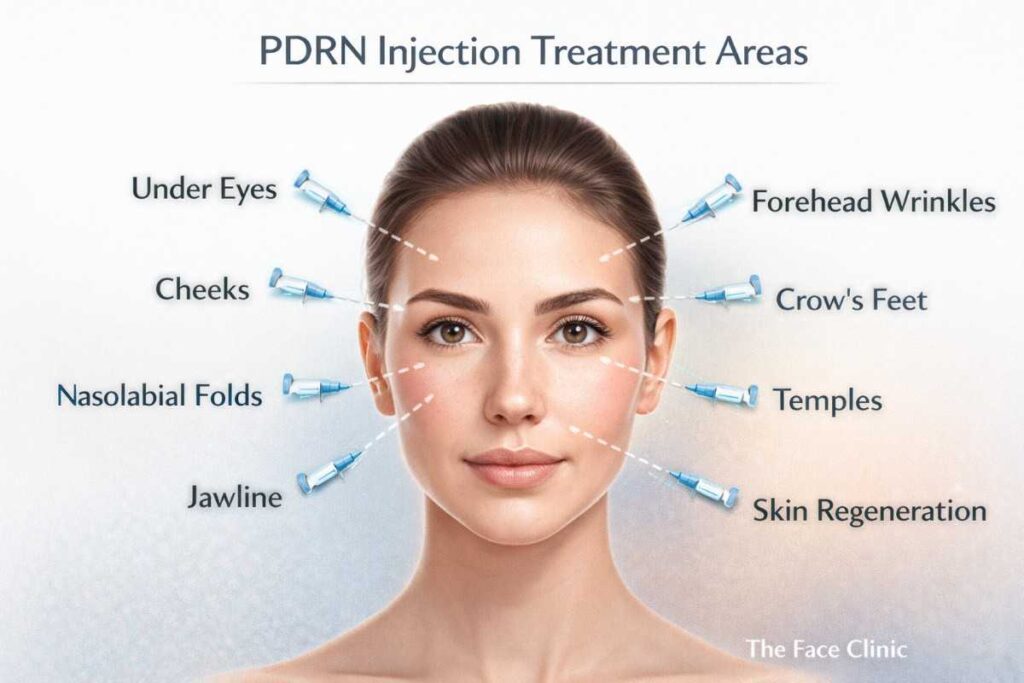
PDRN injections may be used in multiple facial regions, including the under-eye area, cheeks, and other zones affected by skin ageing, dehydration, or reduced collagen support.
How PDRN Differs From Volume-Based Treatments
Many aesthetic treatments are designed to restore lost facial volume or reshape facial contours. PDRN skin treatment differs from these approaches because its primary goal is to support biological regeneration within the skin itself.
Volume-based treatments such as dermal fillers work by adding structural support beneath the skin to restore facial contours or replace lost volume. These treatments can produce visible structural changes immediately after injection.
For readers interested in treatments designed to restore facial volume and contour, you can explore dermal fillers treatment for facial volume, which explains how volumising injectable therapies differ from regenerative skin treatments.
In contrast, PDRN injections aim to stimulate regenerative processes within the dermis, encouraging gradual improvements in skin quality rather than immediate volumetric correction.
For those interested in understanding the biological processes behind regenerative therapies, a detailed explanation can be found in our guide on science behind PDRN skin regeneration.
Readers who want to explore how different regenerative injectable treatments compare can also refer to our article on PDRN vs Polynucleotides vs Exosomes, which examines the distinctions between these treatment approaches.
What Happens During a PDRN Skin Treatment Session
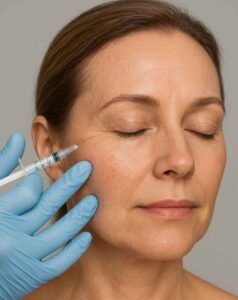
A typical PDRN skin treatment session is a minimally invasive procedure designed to deliver regenerative compounds into the skin using precise injection techniques. The goal of the treatment is to introduce polydeoxyribonucleotide compounds into the superficial dermis, where they can support biological pathways involved in tissue repair and skin regeneration.
Although treatment protocols may vary depending on individual skin concerns and treatment goals, most sessions follow several structured steps to ensure both treatment safety and optimal regenerative response.
Treatment Planning and Skin Assessment
Before treatment begins, the skin is carefully evaluated to determine the most appropriate treatment areas and injection strategy. This assessment helps identify concerns such as loss of elasticity, uneven texture, acne scars, or areas of weakened skin structure.
Based on the skin assessment, the practitioner determines the most suitable injection pattern to support dermal repair and improved skin quality.
Skin Preparation
Prior to the injections, the skin is thoroughly cleansed to maintain a sterile treatment environment. In many cases, a topical numbing cream may be applied to increase comfort during the procedure.
Once the treatment area is prepared, the practitioner identifies specific points where regenerative injections will be administered.
Micro-Injection Technique
During the procedure, PDRN injections are delivered using fine needles or micro-injection techniques, allowing the regenerative solution to be placed precisely within the superficial dermis.
These injections distribute polydeoxyribonucleotide compounds throughout the treatment area, helping stimulate biological processes associated with skin regeneration, collagen stimulation, and dermal repair.
Because the treatment focuses on improving skin quality rather than changing facial contours, the injection technique is designed to support even distribution across the skin surface.
Session Duration and Comfort
A typical PDRN treatment session generally takes approximately 20–30 minutes, depending on the size of the treatment area and the number of injection points required.
Most patients experience only mild discomfort due to the use of very fine needles and topical anaesthesia, making the procedure well tolerated.
Results of PDRN Skin Treatment
Unlike treatments that produce immediate structural changes, PDRN skin treatment focuses on stimulating regenerative processes within the skin. As a result, improvements tend to develop gradually as the skin responds to the regenerative stimulus.
Many patients begin to notice progressive improvements in skin texture, elasticity, and overall skin vitality during the weeks following treatment.
When Results Begin to Appear
Early improvements in skin hydration and texture may begin to appear within several weeks after treatment. However, because regenerative therapies stimulate collagen production and dermal repair, the most visible improvements typically develop gradually over time.
This gradual response reflects the natural timeline of skin regeneration and tissue repair.
Skin Quality Improvements
Patients undergoing PDRN therapy often seek improvements in:
- skin texture and smoothness
- skin elasticity and firmness
- overall skin radiance
- dermal resilience
By supporting regenerative processes within the dermis, PDRN injections may contribute to progressive improvements in skin structure and vitality.
Long-Term Collagen Support
Collagen is a key structural component responsible for maintaining skin strength and elasticity. Treatments that stimulate collagen production can help support long-term improvements in dermal integrity and skin quality.
Polydeoxyribonucleotide compounds have been studied in regenerative medicine for their potential role in supporting tissue repair and cellular regeneration.
For readers interested in the biological pathways associated with these regenerative processes, you can explore clinical research on polydeoxyribonucleotide therapy
How Long Results May Last
The duration of results can vary depending on individual skin condition, lifestyle factors, and the treatment protocol used.
Because PDRN therapy stimulates regenerative processes within the skin, improvements may continue to develop gradually over time as the skin regeneration process progresses.
Maintenance treatments may be recommended in some cases to help sustain improvements in skin quality and dermal vitality.
Collagen Stimulation and Fibroblast Activation in PDRN Therapy
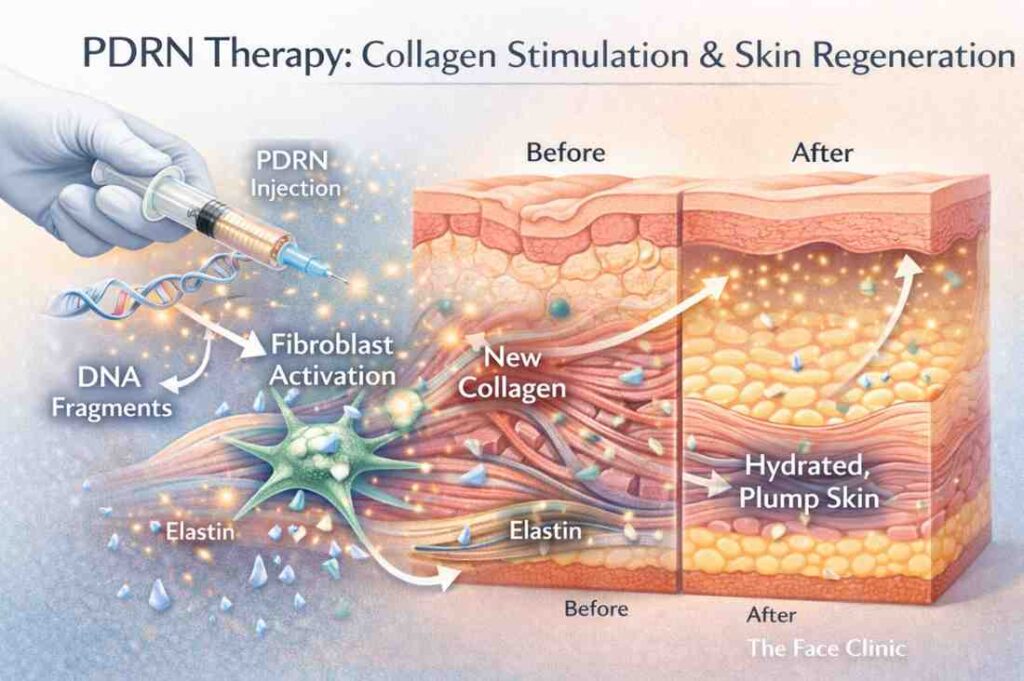
Polydeoxyribonucleotide therapy helps activate fibroblast activity within the dermis, encouraging collagen and elastin production that supports healthier, more resilient skin.
How Many PDRN Sessions Are Needed?
Regenerative injectable therapies typically require a series of sessions to achieve optimal improvements in skin quality.
Because the goal of PDRN injections is to stimulate biological repair mechanisms rather than produce immediate cosmetic change, treatments are usually performed over multiple sessions to encourage progressive skin regeneration.
Many treatment protocols involve several sessions spaced a few weeks apart, allowing the skin to respond to the regenerative stimulus between treatments.
The number of sessions recommended can depend on several factors:
- the patient’s skin condition
- the severity of the skin concern being treated
- the areas receiving treatment
- overall skin health and regenerative capacity
In regenerative dermatology, therapies such as PDRN are often incorporated into structured treatment plans designed to gradually improve dermal health and skin vitality.
Downtime and Recovery After PDRN Treatment
One reason regenerative injectable therapies have gained popularity in aesthetic medicine is their minimal downtime and relatively quick recovery period.
Because PDRN injections are delivered using fine needles and superficial injection techniques, most patients are able to resume normal activities shortly after treatment.
Temporary Injection Marks
Immediately after treatment, small injection marks, mild redness, or slight swelling may be visible in the treated area. These effects are generally temporary and typically resolve within a short period of time.
Skin Recovery Timeline
Minor post-treatment effects usually subside quickly, while improvements in skin texture, elasticity, and dermal qualitydevelop progressively as the skin regeneration process continues.
Because regenerative therapies stimulate biological repair mechanisms, visible improvements may become more noticeable over time.
Post-Treatment Care
Following PDRN injections, patients are typically advised to follow simple post-treatment precautions to support skin recovery.
These may include:
- avoiding excessive sun exposure immediately after treatment
- maintaining appropriate skincare routines
- ensuring adequate skin hydration
For general dermatology guidance on injectable treatments, readers can refer to dermatology guidance on injectable skin treatments from the American Academy of Dermatology
Conceptual Skin Improvement After PDRN Polynucleotide Treatment
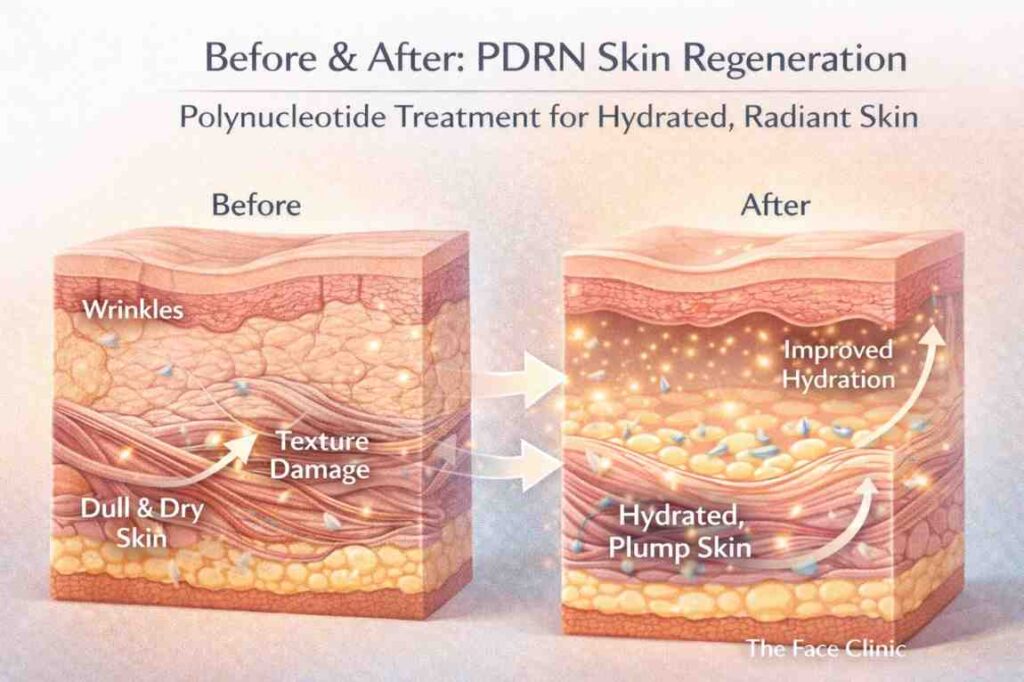
By supporting dermal repair and collagen regeneration, PDRN skin treatment may contribute to improved hydration, smoother texture, and overall skin revitalisation over time.
Who Is a Suitable Candidate for PDRN Skin Treatment?
Suitable candidates for PDRN skin treatment are typically individuals seeking improvement in skin quality, texture, and dermal vitality through regenerative therapy.
Because the treatment focuses on supporting skin regeneration rather than restoring facial volume, it may be appropriate for patients interested in gradual improvement in the structural health of their skin.
Common candidates include individuals experiencing:
- early signs of skin ageing
- reduced skin elasticity
- dull or uneven skin texture
- acne scars
- environmentally stressed or weakened skin
A detailed skin assessment is important before undergoing regenerative injectable therapy. Treatment suitability depends on factors such as skin condition, treatment goals, and overall skin health.
Patients who may require additional evaluation include those with:
- active skin infections
- certain inflammatory skin conditions
- other dermatological concerns requiring medical assessment
A personalised consultation helps determine whether regenerative therapies such as PDRN are appropriate for the patient’s specific skin concerns.
PDRN Skin Treatments at The Face Clinic
At The Face Clinic, regenerative skin treatments are performed following a detailed medical assessment and individualized treatment planning.
Under the clinical guidance of Dr. Reema Arora, treatment protocols focus on improving skin quality, dermal health, and long-term skin vitality using carefully selected regenerative therapies.
A comprehensive consultation helps evaluate factors such as:
skin structure and elasticity
texture irregularities
signs of dermal ageing
- treatment goals and expectations
This assessment allows the treatment plan to be tailored to support skin regeneration and collagen stimulation while maintaining a natural, balanced aesthetic approach.
Patients interested in learning more about clinical protocols and treatment approaches can explore our dedicated page on PDRN skin treatment in Delhi, which explains how regenerative injectable therapies are performed in a medical aesthetic setting.
Related Regenerative Skin Treatments
Regenerative dermatology includes several injectable therapies designed to support skin repair and dermal regeneration through different biological mechanisms.
While PDRN therapy focuses on stimulating tissue repair pathways associated with polydeoxyribonucleotide compounds, other regenerative approaches may use different mechanisms to improve skin quality and vitality.
Readers interested in learning more about these treatments may explore the following guides:
- Learn how regenerative injectable therapies compare in our article on PDRN vs Polynucleotides vs Exosomes
- Explore the biological mechanisms involved in regenerative dermatology in our guide on science behind PDRN skin regeneration
These resources provide additional context for understanding how modern regenerative skin treatments support dermal health and skin quality improvement.
Frequently Asked Questions About PDRN Skin Treatment
What is PDRN skin treatment?
PDRN skin treatment is a regenerative injectable therapy that uses polydeoxyribonucleotide compounds to support skin repair, collagen stimulation, and improved skin quality.
How does PDRN treatment improve skin quality?
PDRN therapy is used to stimulate biological processes associated with tissue regeneration and dermal repair, which may contribute to improvements in skin texture, elasticity, and overall skin vitality.
Is PDRN treatment the same as dermal fillers?
No. Dermal fillers are primarily used to restore facial volume or enhance facial contours. PDRN injections focus on supporting skin regeneration and improving dermal health rather than adding structural volume.
Readers interested in volumising injectable treatments can explore dermal fillers treatment for facial volume.
Is PDRN the same as polynucleotide treatment?
PDRN and polynucleotide therapies are closely related regenerative injectable treatments used in aesthetic medicine. Both aim to support skin regeneration and dermal repair, although they may differ in formulation and clinical application.
For a detailed explanation of how these treatments differ, see our guide on PDRN vs Polynucleotides vs Exosomes.
How long do PDRN results last?
The duration of results can vary depending on individual skin condition, lifestyle factors, and treatment protocols. Because the treatment stimulates skin regeneration, improvements may continue to develop gradually as the skin responds to the regenerative stimulus.
How many sessions are usually recommended?
Regenerative injectable therapies typically involve multiple treatment sessions spaced several weeks apart to support progressive improvements in skin quality.
Does PDRN treatment require downtime?
Downtime is usually minimal. Patients may experience temporary redness or small injection marks after treatment, but most individuals can return to normal activities shortly afterward.
Considering PDRN Skin Treatment?
If you are interested in improving skin quality through regenerative therapies, a personalised consultation can help determine whether PDRN skin treatment is suitable for your skin concerns.
At The Face Clinic, treatment plans are developed following detailed skin assessment and medical evaluation by Dr. Reema Arora. Regenerative injectable therapies such as PDRN may be considered as part of a broader approach to improving skin regeneration, dermal health, and long-term skin vitality.
To learn more about how this treatment is performed in clinical practice, visit our guide to PDRN skin treatment in Delhi.