
Mounjaro
- Home
- Services
- Mounjaro
Don’t think much, have a query? Call us now!
Hear from Our Happy Patients – Their Stories, Their Words!
EXCELLENT Based on 313 reviews
 Posted on Google
 anjana kaushalI had a wonderful experience at The Face Clinic. Dr. Reema is incredibly kind, polite, and professional. She listens to all your concerns very patiently and carefully, making you feel comfortable and well cared for throughout the consultation. The quality of services provided by the clinic is top-notch. The entire team ensures that patients are comfortable Overall, if I ever need any dermatology services in the future, I will definitely visit this clinic again. It has become my go-to place, and I highly recommend it to anyone looking for expert and compassionate skincare treatment.Posted on Google
 Ritu BhardwajA very experienced doctor.

Medically reviewed by Dr. Reema Arora, MBBS, MSc Facial Aesthetics (UK), Founder & Medical Director, The Face Clinic, Hauz Khas, New Delhi. More than 20 years of experience in facial aesthetics. Medical weight-management treatment incorporates Internal Medicine or Endocrinology evaluation or clearance.
Last updated: 28 September 2026 | Regulatory information reviewed: September 2026.
Mounjaro weight loss treatment in Delhi is increasingly being considered by adults seeking medical support for obesity and weight-related health conditions. However, deciding whether this prescription medicine is appropriate requires more than understanding how much weight it may help someone lose.
Mounjaro (tirzepatide) is a once-weekly prescription injection that acts on two hormonal pathways involved in appetite regulation, food intake and blood-glucose control.
In India, Mounjaro is approved for two distinct indications: chronic weight management in eligible adults, alongside dietary and physical-activity measures, and improvement of blood-sugar control in adults with type 2 diabetes.
For patients considering a Mounjaro injection for weight loss, treatment suitability depends on body mass index (BMI), associated medical conditions, current medication, contraindications and individual clinical circumstances.
Clinical trials have demonstrated substantial average weight reduction in appropriately selected participants. In the landmark SURMOUNT-1 clinical trial (https://www.nejm.org/doi/10.1056/NEJMoa2206038), adults without diabetes receiving tirzepatide alongside lifestyle intervention experienced mean weight reductions of approximately 15–21% over 72 weeks, depending on the assigned dose. These are results from a defined study population, not guaranteed outcomes for individual patients.
At The Face Clinic, Hauz Khas, South Delhi, Mounjaro is considered within an individualised medical weight-management programme.
Dr. Reema Arora conducts the initial clinical assessment, with Internal Medicine or Endocrinology evaluation or clearance incorporated before treatment initiation in accordance with the clinic’s protocol.
Where treatment is appropriate, the programme includes:
The objective is not simply to prescribe an injection. It is to establish whether tirzepatide has an appropriate place within an individual’s broader medical and metabolic-health plan.
Mounjaro is a prescription-only medicine. Some patients may be suitable for tirzepatide; others may require a different medical approach or a programme without medication.
Arrange a medical weight-management assessment at The Face Clinic

Mounjaro was introduced in India by Eli Lilly in March 2025 following regulatory approval.
The medicine is available through authorised pharmaceutical channels and must be dispensed against a valid medical prescription.
In India, tirzepatide has two approved uses relevant to adult patients.
For chronic weight management, Mounjaro is approved as an adjunct to a reduced-calorie diet and increased physical activity in adults with:
These thresholds establish potential eligibility, not an automatic recommendation for treatment.
Although Indian clinical guidance may use lower BMI cut-offs when identifying overweight and obesity in Asian Indian populations, those classifications do not independently replace the medicine’s approved weight-management prescribing criteria.
Mounjaro is also approved in India as an adjunct to diet and exercise to improve blood-glucose control in adults with type 2 diabetes.
The appropriate treatment pathway depends on whether the patient is being assessed for diabetes management, chronic weight management or both.
For further context on medical approaches to obesity, see the World Health Organization’s information on overweight and obesity.
Yes. Mounjaro is marketed in India, including Delhi, although availability of individual strengths and injection presentations may vary.
Patients should obtain the medicine only through an authorised pharmacy against a valid prescription.
At The Face Clinic, treatment begins with medical assessment rather than medication purchase.
Patients seeking Mounjaro weight loss treatment in South Delhi can arrange a consultation to establish eligibility, review available treatment options and understand the monitoring required.
Mounjaro is available in different injectable presentations.
Feature | Single-dose vial | KwikPen |
Presentation | Single-dose preparation | Prefilled multidose pen |
Administration | Requires an appropriate syringe and correct injection technique | Pen-based administration according to device instructions |
Dose availability | Depends on locally marketed strengths | Available across multiple prescribed strengths |
Convenience | Requires preparation before injection | Designed for pen-based administration |
Cost | Varies according to strength and presentation | Varies according to strength and presentation |
Selection | Determined by prescription and patient suitability | Determined by prescription and patient suitability |
The prescribing clinician should discuss the appropriate presentation based on the required dose, product availability, cost and the patient’s ability to administer the medicine correctly.
Patients should not divide doses, reuse single-dose preparations, share injection devices or attempt unapproved alterations to a KwikPen.
Yurpeak is another tirzepatide brand marketed in India under an agreement between Eli Lilly and Cipla.
Under this arrangement, Eli Lilly manufactures and supplies Yurpeak, while Cipla distributes and promotes it in India.
Yurpeak is therefore not an independently developed generic formulation of tirzepatide.
Patients should discuss any proposed change in brand, strength or injectable presentation with their prescribing clinician rather than switching independently.
For information about this arrangement, refer to the Lilly–Cipla Yurpeak distribution and promotion agreement.
Tirzepatide is a medicine that activates two incretin hormone receptors involved in metabolic regulation.
These are:
This dual-receptor mechanism distinguishes tirzepatide from medicines such as semaglutide, which act on the GLP-1 receptor.
Through these hormonal pathways, tirzepatide can:
The resulting reduction in energy intake can contribute to weight loss when treatment is combined with appropriate dietary and lifestyle measures.
Mounjaro does not selectively remove abdominal fat, facial fat or fat from any other specific body area. Changes in body-fat distribution vary between individuals.
It is also important to distinguish the medicine’s mechanism from the decision to prescribe it.
Patients sometimes enquire about tirzepatide because they associate their weight gain with insulin resistance, repeated unsuccessful dieting or hormonal life stages such as perimenopause.
These circumstances may be relevant to the assessment, but they do not independently establish eligibility.
A Mounjaro weight loss injection is considered only when the patient meets the applicable prescribing criteria and passes an individual medical safety assessment.
Clinical trials provide the strongest basis for discussing treatment expectations.
However, results differ according to the study population, prescribed dose, treatment duration and individual response.
The SURMOUNT clinical programme has investigated tirzepatide across several patient groups.
SURMOUNT-1 was a Phase 3 randomised trial involving 2,539 adults with obesity, or overweight with at least one weight-related complication, without diabetes.
Participants received tirzepatide or placebo alongside lifestyle intervention for 72 weeks.
Treatment group | Mean weight reduction at 72 weeks |
Tirzepatide 5 mg | 15.0% |
Tirzepatide 10 mg | 19.5% |
Tirzepatide 15 mg | 20.9% |
Placebo | 3.1% |
Approximately 85–91% of participants receiving tirzepatide achieved at least 5% weight reduction, compared with approximately 35% receiving placebo.
The trial included gradual dose escalation and sustained lifestyle intervention.
These findings should not be interpreted as expected results after only a few weeks of treatment.
Clinical source: Tirzepatide Once Weekly for the Treatment of Obesity — New England Journal of Medicine, 2022.
Treatment response may differ in patients with type 2 diabetes.
In SURMOUNT-2, adults with obesity and type 2 diabetes experienced average weight reductions over 72 weeks of:
This distinction is relevant during consultation.
Quoting weight-reduction results from adults without diabetes to every patient, regardless of metabolic status, may create unrealistic expectations.
Clinical source: SURMOUNT-2 — Tirzepatide in People With Obesity and Type 2 Diabetes, The Lancet, 2023.
Maintaining weight reduction is an important consideration in chronic obesity management.
In SURMOUNT-4, participants initially received tirzepatide before being randomised either to continue treatment or to receive placebo.
During the subsequent 52 weeks:
This demonstrated substantial average weight regain after treatment withdrawal in the studied population.
It does not mean that every patient will require medication indefinitely.
Treatment duration and maintenance planning must be individualised according to clinical response, tolerability, medical circumstances and ongoing review.
Clinical source: SURMOUNT-4 — Continued Treatment With Tirzepatide for Maintenance of Weight Reduction, JAMA, 2024.
The SURMOUNT studies demonstrate that tirzepatide can produce substantial average weight reduction in appropriately selected participants.
They do not establish:
These questions require medical assessment and ongoing follow-up.
At The Face Clinic, treatment expectations are discussed in the context of the patient’s own metabolic profile and health history rather than presented as guaranteed percentages.
Mounjaro and semaglutide-based medicines are often discussed together because both influence incretin hormone pathways.
However, they differ in active ingredient, receptor activity and country-specific approved indications.
Medicine | Active ingredient | Mechanism | Important distinction |
Mounjaro | Tirzepatide | GIP + GLP-1 receptor agonism | Approved in India for eligible adult chronic weight management and type 2 diabetes |
Ozempic | Semaglutide | GLP-1 receptor agonism | Primarily a type 2 diabetes brand |
Wegovy | Semaglutide | GLP-1 receptor agonism | Semaglutide brand used for chronic weight management, subject to local approval |
Zepbound | Tirzepatide | GIP + GLP-1 receptor agonism | US tirzepatide brand approved for chronic weight management |
The SURMOUNT-5 trial, published in the New England Journal of Medicine in 2025, compared tirzepatide and semaglutide in 751 adults with obesity, without type 2 diabetes.
Participants received the maximum tolerated dose within the study’s specified ranges:
At 72 weeks, average weight reduction was:
Treatment | Mean weight reduction |
Tirzepatide | 20.2% |
Semaglutide | 13.7% |
The difference between the treatment groups was statistically significant.
However, this trial compared tirzepatide with semaglutide at weight-management doses, not specifically with the lower-dose Ozempic diabetes regimen.
People with type 2 diabetes and those who had recently used GLP-1 medication were not included.
Consequently, these results cannot establish that every patient switching from semaglutide to tirzepatide will experience additional weight reduction.
Clinical source: SURMOUNT-5 — Tirzepatide as Compared With Semaglutide for the Treatment of Obesity, NEJM, 2025.
For a more detailed comparison of these medicines, read our Wegovy vs Mounjaro weight-management guide.
Patients researching semaglutide can also explore our Ozempic treatment information for Delhi.
Mounjaro and Zepbound contain the same active ingredient: tirzepatide.
However, regulatory approval applies to a specific product, indication and jurisdiction.
In India, Mounjaro is approved for chronic weight management in eligible adults and for blood-glucose control in adults with type 2 diabetes.
In the United States, the FDA-approved Mounjaro label includes improving blood-glucose control in adults and children aged 10 years and older with type 2 diabetes.
In August 2026, the FDA also approved Mounjaro to reduce the risk of major adverse cardiovascular events in adults with type 2 diabetes who are at high cardiovascular risk.
The US chronic weight-management indication belongs to Zepbound, which also has a separate indication for certain adults with obesity and moderate-to-severe obstructive sleep apnoea.
The distinction matters because international study results do not automatically establish that a particular indication is approved in India.
For the exact US indications and safety requirements, consult the FDA Mounjaro prescribing information, revised August 2026.
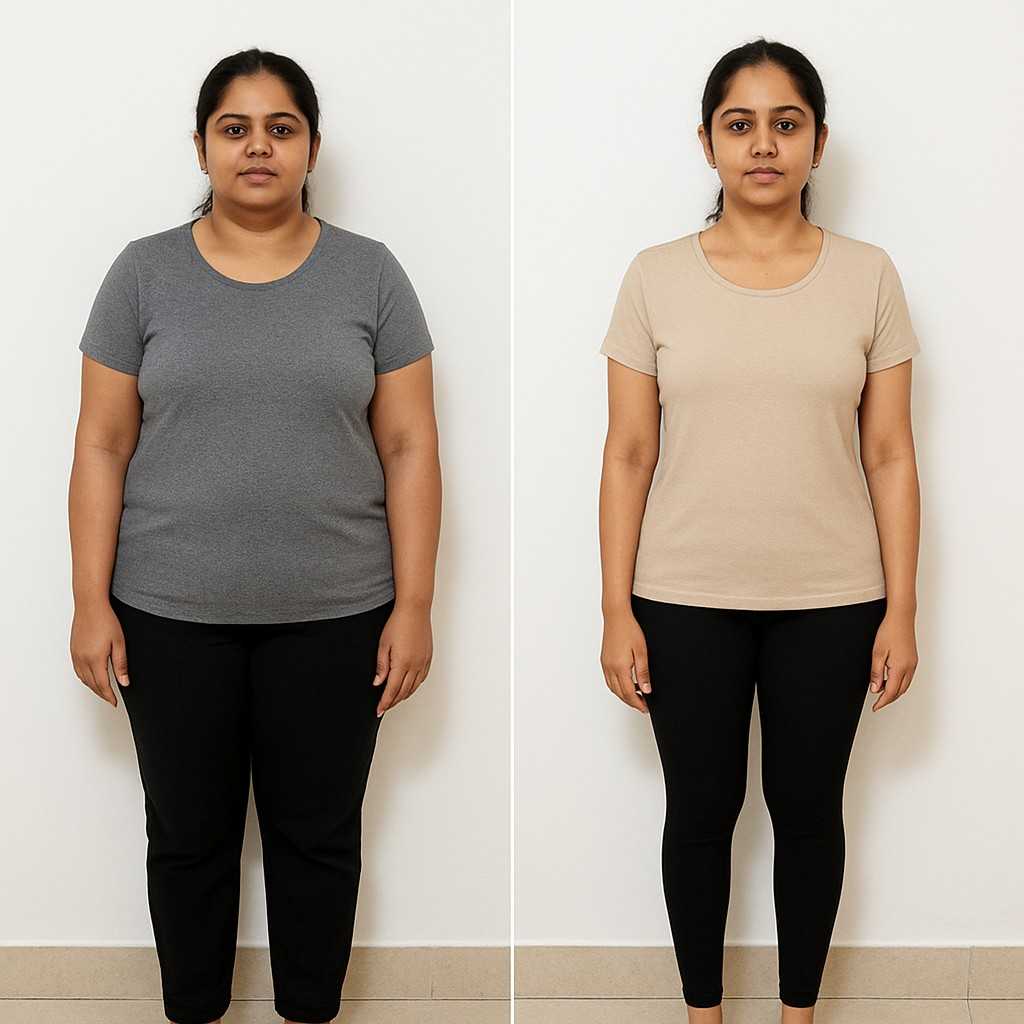
Suitability for Mounjaro injections is established through medical evaluation rather than patient preference for a particular medicine.
In India, eligibility for chronic weight management is based on approved prescribing criteria, including BMI and relevant weight-related medical conditions.
Meeting the BMI threshold does not automatically mean that tirzepatide is the appropriate treatment.
At The Face Clinic, patients considering tirzepatide undergo an individual clinical assessment led by Dr. Reema Arora.
The clinic’s protocol incorporates Internal Medicine or Endocrinology evaluation or clearance before treatment initiation.
The assessment considers:
Relevant investigations are selected according to clinical findings rather than ordered as an identical package for every patient.
The consultation may conclude that Mounjaro is appropriate, that another treatment should be considered or that medication is not indicated.
Some patients enquire about tirzepatide because they associate weight gain with insulin resistance, hormonal changes or repeated unsuccessful weight-loss attempts.
These circumstances may be relevant to medical assessment, but they are not independent prescribing indications.
Perimenopause does not, by itself, establish eligibility for Mounjaro.
Similarly, insulin resistance must be interpreted alongside BMI, associated medical conditions, approved prescribing criteria and the patient’s overall risk profile.
Where another medical condition may be contributing to weight change, identifying and managing that condition is an important part of the treatment plan.
Mounjaro is not intended as a cosmetic weight-loss injection for people who do not meet appropriate medical criteria.
A wish to become slimmer before an event, reduce fat from a particular body area or achieve a specific appearance is not sufficient justification for prescription treatment.
For patients who do not qualify for medication, appropriate nutrition, physical activity and other clinically guided interventions may be considered.
For a broader explanation of the available pathways, see our doctor-led medical weight loss programme in Delhi.
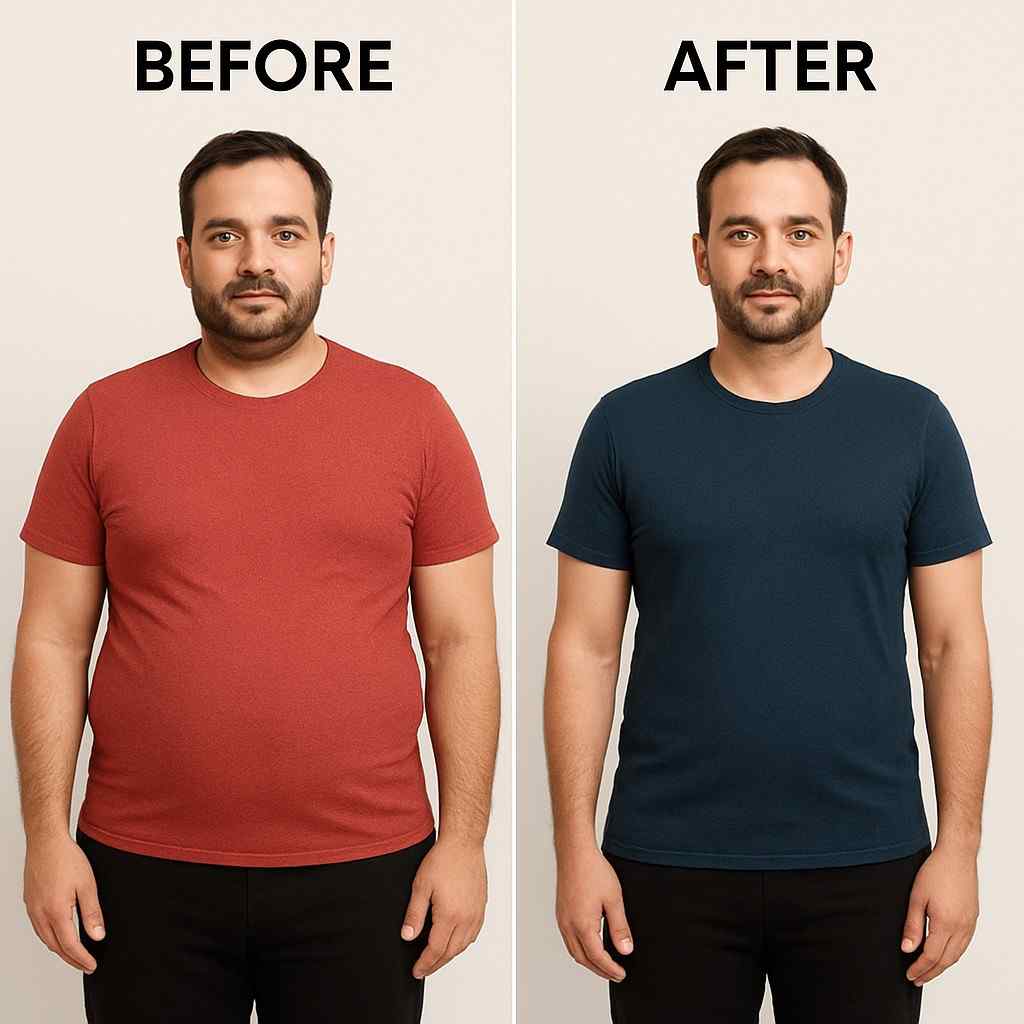
Although tirzepatide has been investigated in large clinical trials, it is not appropriate for everyone and should not be regarded as risk-free.
The likelihood and severity of side effects vary. Some adverse effects occur particularly during treatment initiation or dose escalation.
Reported adverse effects include:
These effects are frequently mild to moderate in clinical trials, but they can be more severe or persistent in some patients.
Persistent vomiting, inadequate fluid intake or significant gastrointestinal symptoms require medical assessment rather than simply continuing treatment without review.
The US prescribing information contains a boxed warning concerning thyroid C-cell tumours observed in animal studies.
It is unknown whether tirzepatide causes these tumours in humans.
Under the US label, treatment is contraindicated in patients with a personal or family history of medullary thyroid carcinoma or Multiple Endocrine Neoplasia syndrome type 2.
Tirzepatide must not be used in patients with a known serious hypersensitivity to the active ingredient or relevant formulation components.
Acute pancreatitis has been reported with tirzepatide.
A history of pancreatitis warrants careful medical assessment. Persistent severe abdominal pain, particularly when associated with vomiting, requires urgent evaluation.
Because tirzepatide slows gastric emptying, it is not recommended in patients with severe gastroparesis under the US prescribing information.
Gallbladder-related adverse events have been reported during treatment.
Symptoms suggesting gallstones or gallbladder inflammation require clinical assessment.
Vomiting and diarrhoea may contribute to dehydration and, in susceptible patients, acute kidney injury.
The risk of low blood glucose can increase when tirzepatide is used with insulin or insulin-releasing medicines such as sulfonylureas.
The treating physician may need to review and adjust other diabetes medicines.
Tirzepatide may pose risks during pregnancy.
Patients who are pregnant, planning pregnancy or breastfeeding require specific medical advice before considering treatment.
The medicine can delay gastric emptying and affect absorption of some oral medicines.
The US prescribing information advises patients using oral hormonal contraceptives to switch to a non-oral method or add a barrier method for four weeks after starting treatment and for four weeks after each dose increase.
Patients should inform their medical team about tirzepatide use before procedures involving general anaesthesia or deep sedation.
Its effect on gastric emptying may be relevant to procedural planning.
Patients with type 2 diabetes and a history of diabetic retinopathy may require additional monitoring.
These precautions are not exhaustive. The prescribing clinician must review the applicable Indian product information and individual medical history before initiating treatment.
Patients using tirzepatide should seek prompt medical assessment for persistent severe abdominal pain, repeated vomiting with inability to maintain fluid intake or symptoms suggesting a significant adverse reaction.
Difficulty breathing, marked swelling of the face or throat, or other symptoms of a serious allergic reaction require emergency care.
Patients should not independently increase the dose or continue through significant adverse effects without medical advice.
For detailed safety information, consult the FDA’s current Mounjaro prescribing information, while recognising that Indian prescribing decisions must follow the locally applicable approved product information.
The FDA also provides guidance about the risks associated with unapproved GLP-1 medicines used for weight loss.
FDA Access Data
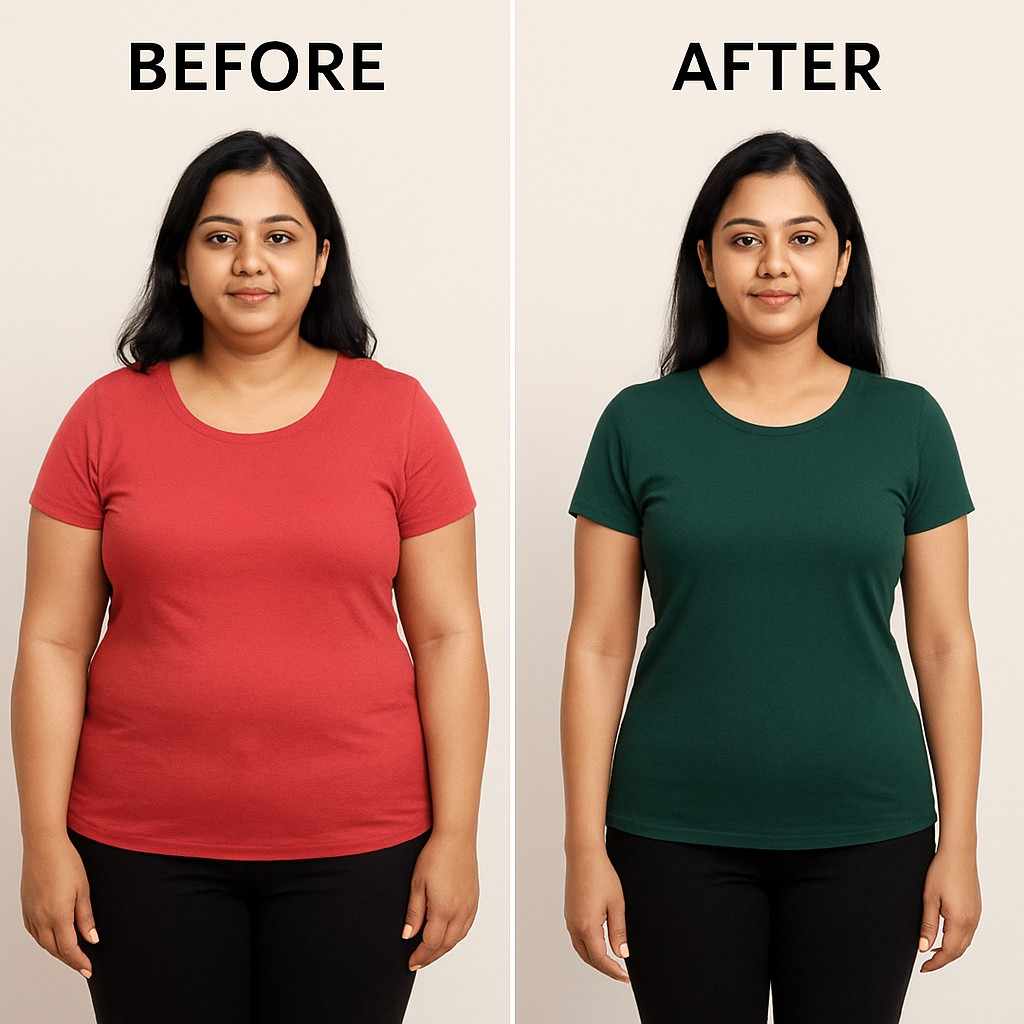
At The Face Clinic, Hauz Khas, medical weight management is approached as an individual clinical decision rather than a fixed injection package.
Dr. Reema Arora is the Founder and Medical Director of The Face Clinic, with more than 20 years of professional experience in facial aesthetics, including injectable treatments and facial assessment.
Medical weight management is a distinct clinical discipline. Accordingly, the clinic’s protocol incorporates evaluation or clearance by an Internal Medicine specialist or Endocrinologist before tirzepatide treatment begins.
The programme is organised around five stages.
The initial consultation establishes the patient’s weight history, current concerns, medical background, previous treatment experience and goals.
BMI and relevant metabolic factors are reviewed alongside the potential benefits and risks of prescription medication.
Where appropriate, specialist evaluation and additional investigations are arranged before a prescribing decision.
If tirzepatide is considered medically suitable, the prescribing doctor determines the treatment plan.
This may include:
The consultation also addresses treatment expenditure and the possibility that longer-term therapy may be required.
Dose escalation is not determined solely by how quickly a patient wishes to lose weight.
The prescribing doctor reviews treatment tolerance, metabolic response, adverse effects and the patient’s broader clinical circumstances.
A higher dose is not automatically more appropriate for an individual patient.
Follow-up reviews assess treatment response and whether continuing the medicine remains appropriate.
Depending on clinical requirements, monitoring may include:
Patients are encouraged to report significant symptoms promptly rather than waiting for a scheduled appointment.
Weight management does not end when a patient reaches a particular number on the scale.
Maintenance is discussed from the beginning because stopping treatment can be followed by weight regain.
The appropriate strategy may include continued medication, adjustment of treatment or a different medically supervised approach.
The plan is reviewed according to the patient’s health, treatment response, tolerance and circumstances.
The Face Clinic does not guarantee an individual weight-loss result. The purpose of its doctor-supervised Mounjaro programme is to provide structured assessment, clinically appropriate treatment planning and ongoing medical review.
Mounjaro is administered once weekly by subcutaneous injection.
Under the standard adult tirzepatide initiation schedule, treatment begins at 2.5 mg once weekly for four weeks.
Subsequent increases are made according to the applicable prescribing information, no sooner than every four weeks, in increments of 2.5 mg where clinically appropriate.
The 2.5 mg dose is an initiation dose rather than an established maintenance dose.
Treatment stage | General adult prescribing framework |
Starting dose | 2.5 mg once weekly for four weeks |
Initial dose increase | 5 mg once weekly |
Further escalation | Increments of 2.5 mg after at least four weeks at the current dose, when appropriate |
Maintenance | Individualised according to indication, response and tolerability |
Maximum adult dose | 15 mg once weekly |
This table describes the general prescribing framework and is not an individual dose recommendation.
Not every patient will require or tolerate the maximum dose.
The prescriber may maintain a particular dose, delay escalation, adjust treatment or discontinue medication when clinically indicated.
Patients should not increase the dose independently, combine tirzepatide with another incretin-based medicine without medical direction or use an injection device contrary to its instructions.
Under the US Mounjaro prescribing information, a missed dose may be administered within four days (96 hours) of the scheduled dose.
If more than four days have passed, the missed dose should be skipped and the usual weekly schedule resumed.
At least three days (72 hours) must separate two doses.
Patients should follow the instructions for their prescribed product and consult their treating clinician if they are uncertain about the next dose, particularly after a prolonged treatment interruption.
For the complete administration guidance, see the official FDA dosage and administration instructions.
A common question among patients researching GLP-1 weight loss injections in Delhi is whether medication removes the need for regular physical activity.
The answer is no.
Tirzepatide does not replace appropriate nutrition and exercise.
The major weight-management trials combined medication with lifestyle intervention.
Although treatment can help reduce appetite and energy intake, changes in body weight may involve reductions in both fat mass and lean mass.
Preserving physical function and muscle strength is therefore an important consideration during treatment.
Resistance exercise can help support muscle strength and retention of lean tissue.
The appropriate exercise programme depends on individual fitness, physical limitations, medical history and treatment goals.
Patients who are new to exercise or have significant medical conditions may require a gradual, individually adapted approach.
Reduced appetite can make it easier to consume less food, but adequate nutrition remains essential.
Dietary guidance may address:
Patients should not interpret reduced hunger as a reason to avoid meals indiscriminately or follow extreme calorie restriction.
Medical weight management is intended to address health and metabolic requirements, not simply achieve the fastest possible reduction in body weight.
For additional information about different GLP-1 medicines, see our GLP-1 injection options, costs and dosage guide for India.
Substantial weight reduction can affect more than body weight and waist measurements.
Some patients notice changes in facial fullness, contour or skin laxity during or after significant weight loss.
These changes are not unique to Mounjaro. They may also occur following weight reduction through dietary intervention, other medication or bariatric surgery.
Possible facial changes include:
Not everyone experiences these changes to the same extent.
Age, baseline anatomy, the amount of weight lost, individual fat distribution and skin characteristics may influence how facial changes become visible.
The Face Clinic’s experience in facial aesthetics provides an additional perspective on how substantial weight reduction may affect facial proportions.
Where clinically relevant, Dr. Reema Arora may incorporate an assessment of facial volume, skin elasticity and existing facial concerns into the broader discussion.
This does not mean that aesthetic treatment is a necessary or routine component of medical weight management.
In many patients, no facial intervention is indicated.
Where facial concerns emerge, the first priority is to establish whether the changes relate to ongoing weight reduction, baseline anatomy, skin characteristics or other factors.
Any consideration of facial treatment should remain separate from the prescribing decision for tirzepatide and should require its own clinical assessment.
Not necessarily.
During ongoing weight reduction, facial volume and contours may continue to change.
Intervening too early can make longer-term aesthetic requirements difficult to predict.
Where facial changes are a concern, the timing of any intervention should be considered individually. Observation until weight is more stable may be appropriate.
Patients wanting a more detailed explanation can read our guide to facial changes after GLP-1 weight loss.
That article discusses facial volume loss, under-eye hollowing, skin laxity and the clinical considerations involved in deciding whether aesthetic treatment is appropriate.
The cost of Mounjaro (tirzepatide) treatment in India varies according to the prescribed strength, injection presentation, treatment duration and medical services involved.
The medicine itself is not priced identically across all doses.
As treatment progresses, medication expenditure may change if the prescribing doctor adjusts the dose.
It is important to distinguish between:
For initial budgeting, The Face Clinic has previously indicated a monthly treatment expenditure range of ₹20,000–₹50,000, depending on the medication and individual care requirements.
This is an indicative planning range, not a fixed programme quotation or a guarantee that all services are included.
Medication, medical consultations, specialist assessment, investigations and follow-up may be charged separately according to the applicable treatment arrangement.
Patients should receive an itemised explanation of charges before treatment begins.
Treatment component | How the cost is determined |
Initial medical consultation | Applicable consultation fee, confirmed before booking |
Mounjaro medication | Prescribed strength, presentation and authorised pharmacy price |
Internal Medicine or Endocrinology assessment | Applicable specialist charges |
Relevant investigations | Individual clinical requirements |
Follow-up and monitoring | Agreed consultation and monitoring arrangements |
Nutrition or lifestyle support | Services included in the individual care plan |
There is no single universal monthly cost because treatment requirements differ between patients.
The total cost should be explained in writing before medication is initiated.
Prescribed dose: Different strengths and injection presentations may have different prices.
Duration: Chronic weight management can require ongoing treatment and medical supervision.
Medical monitoring: Follow-up frequency and investigations depend on the patient’s clinical requirements.
Specialist assessment: Internal Medicine or Endocrinology evaluation may involve separately applicable charges.
Medication availability: The actual pharmacy price depends on the prescribed product and authorised dispensing channel.
The price of an individual injection should therefore not be confused with the total expenditure associated with medically supervised treatment.
For current dose-specific pricing and a detailed explanation of pharmacy versus clinic charges, read our Mounjaro cost in India: injection prices and dosage guide.
Coverage for prescription weight-management medication varies between insurers and policies.
Many Indian insurance policies may exclude outpatient obesity-management medication or restrict reimbursement for certain treatments.
However, no single coverage rule applies to every policy.
Patients should check their individual policy to establish whether consultations, investigations or prescribed medication are reimbursable.
The clinic can provide relevant consultation documentation where appropriate, but reimbursement is determined by the insurer.
Research into tirzepatide extends beyond changes in body weight alone.
Clinical trials have reported improvements in several metabolic measurements, including blood-glucose control and certain cardiometabolic risk factors.
However, an improvement in an individual laboratory measurement should not automatically be interpreted as proof of a reduction in every cardiovascular outcome.
Tirzepatide is approved in India for improving blood-glucose control in adults with type 2 diabetes.
Patients receiving other diabetes medicines may require medication review as blood-glucose levels change.
In obesity trials, weight reduction with tirzepatide has been accompanied by improvements in several cardiometabolic measurements.
These may include changes in blood pressure, lipid parameters and glycaemic markers.
The magnitude and clinical relevance of these changes vary between individuals and study populations.
In August 2026, the US FDA approved an additional indication for Mounjaro: reducing the risk of major adverse cardiovascular events in adults with type 2 diabetes who are at high cardiovascular risk.
This is a population-specific and jurisdiction-specific indication.
It should not be interpreted as a general claim that tirzepatide prevents heart attacks or strokes in every person using the medicine for weight reduction.
The applicable evidence and approved indication are documented in the August 2026 FDA prescribing information for Mounjaro.
Research demonstrates that discontinuing tirzepatide can be followed by substantial weight regain in some patients.
This reinforces the importance of discussing treatment duration, lifestyle intervention and long-term medical follow-up from the beginning.
Maintaining metabolic improvements is an ongoing clinical consideration rather than an automatic consequence of completing a short course of injections.
Patients looking for a Mounjaro doctor in Delhi should prioritise an appropriately qualified clinician who can assess medical suitability and provide or arrange ongoing supervision.
A responsible prescribing pathway includes medical assessment, a valid prescription, access to authorised medication and appropriate follow-up.
Patients should avoid:
The FDA has warned about safety and quality concerns involving unapproved GLP-1 drugs marketed for weight loss.
Although those warnings relate to the US regulatory system, the importance of authentic medication, correct administration and medical supervision is equally relevant to patients in India.
Patients considering tirzepatide treatment in Delhi can arrange an individual medical weight-management assessment at The Face Clinic, Hauz Khas.
The consultation establishes whether Mounjaro is appropriate for the patient’s medical profile, with specialist evaluation or clearance incorporated before treatment begins under the clinic’s protocol.
Patients travelling from other parts of Delhi NCR or elsewhere in India can contact the clinic to enquire about assessment arrangements.
However, travel to a particular clinic is not a prerequisite for receiving medically appropriate weight-management care. Patients outside Delhi may also seek evaluation from appropriately qualified clinicians locally.
The objective is to ensure that treatment decisions are based on clinical suitability rather than the independent purchase of medication.
Contact The Face Clinic about a medical weight-management consultation
Mounjaro contains tirzepatide, a once-weekly prescription medicine that activates GIP and GLP-1 receptors.
In India, it is approved for chronic weight management in adults with a BMI of at least 30 kg/m², or at least 27 kg/m² with a qualifying weight-related condition, alongside dietary and physical-activity measures.
A qualified doctor must assess the patient’s medical history, contraindications and individual suitability before prescribing it.
In SURMOUNT-1, participants without diabetes receiving tirzepatide experienced mean weight reductions of approximately 15–21% over 72 weeks, depending on dose.
Participants with type 2 diabetes experienced different average results in SURMOUNT-2.
These trial findings do not predict an individual patient’s outcome.
Some people notice changes in appetite before substantial changes in body weight become apparent.
The pace of weight reduction varies, and treatment generally involves gradual dose escalation.
Progress should be assessed over time rather than against a fixed weekly weight-loss expectation.
In SURMOUNT-5, tirzepatide produced greater mean weight reduction than semaglutide at the obesity-treatment doses studied over 72 weeks.
However, these findings do not establish which medicine is most appropriate for every patient.
Diabetes status, contraindications, previous treatment, tolerability and cost must also be considered.
Yes.
Mounjaro is approved in India for chronic weight management in eligible adults, alongside reduced-calorie dietary intake and increased physical activity.
It also has a separate indication for improving blood-glucose control in adults with type 2 diabetes.
Insulin resistance and polycystic ovary syndrome may be relevant to a patient’s metabolic-health assessment.
However, neither condition alone automatically establishes eligibility for Mounjaro.
Treatment decisions must follow the applicable approved indication, medical assessment and the patient’s overall clinical circumstances.
The standard adult initiation schedule begins at 2.5 mg once weekly for four weeks.
Subsequent dose decisions are made under medical supervision.
Dose increases are not automatic and depend on response, tolerability and the relevant treatment indication.
Clinical trials have investigated tirzepatide over extended treatment periods, and it may be considered for long-term management in appropriately selected patients.
However, it is not free of adverse effects.
Continued treatment requires medical review of benefits, risks and tolerability.
Substantial weight reduction can make facial hollowing, reduced fullness or existing skin laxity more noticeable in some patients.
These changes are not unique to tirzepatide and may also occur after weight reduction through other approaches.
A separate facial assessment may help determine whether any aesthetic intervention is appropriate.
Treatment duration is individualised.
SURMOUNT-4 demonstrated substantial average weight regain among participants who discontinued tirzepatide after an initial treatment period.
Patients considering discontinuation should discuss the potential for weight regain and their maintenance strategy with the prescribing doctor.
The clinic has previously indicated an estimated monthly expenditure range of ₹20,000–₹50,000, depending on medication and care requirements.
This is not a fixed treatment-package quotation.
The actual cost depends on the prescribed strength, pharmacy charges, medical consultations, specialist assessment and monitoring.
Patients should obtain an itemised estimate before treatment begins.
No.
Mounjaro is a prescription medicine and should be obtained through authorised pharmaceutical channels against a valid medical prescription.
Purchasing from unverified sellers or using medication without medical evaluation may expose patients to avoidable risks.
Patients can arrange a medical weight-management assessment at The Face Clinic in Hauz Khas, South Delhi.
Dr. Reema Arora conducts the initial clinical assessment, with Internal Medicine or Endocrinology evaluation or clearance incorporated before treatment initiation under the clinic’s protocol.
The consultation establishes whether Mounjaro, another medicine or a non-medication approach is clinically appropriate.
Considering Mounjaro is a medical decision. A consultation should establish whether tirzepatide is appropriate for your health profile before discussing a prescription or treatment schedule.
At The Face Clinic, Hauz Khas, Dr. Reema Arora conducts an individual assessment of weight history, BMI, metabolic concerns, relevant medical conditions and treatment goals.
Where medication may be indicated, Internal Medicine or Endocrinology evaluation or clearance is incorporated before treatment begins.
The consultation addresses:
The outcome may be a recommendation for tirzepatide, an alternative intervention or further medical assessment.
The objective is an informed, clinically appropriate treatment decision—not an automatic prescription.
The Face Clinic — Dr. Reema Arora
C-36, LGF, Hauz Khas Market New Delhi – 110016
Clinic hours: Monday–Saturday, 10 AM–6 PM Telephone: +91 99580 73900 WhatsApp: Contact The Face Clinic
Arrange a medical weight-management assessment
Medical information notice: This article provides general information about tirzepatide and the clinic’s assessment process. It does not replace individual medical advice. Prescribing decisions, dosing and monitoring must follow the applicable Indian product information and assessment by appropriately qualified medical professionals. Individual outcomes vary.
Medical reviewer: Dr. Reema Arora, MBBS, MSc Facial Aesthetics (UK).
Position: Founder & Medical Director, The Face Clinic, Hauz Khas, New Delhi.
Clinical experience: More than 20 years in facial aesthetics. Medical weight-management care incorporates Internal Medicine or Endocrinology evaluation or clearance according to the clinic’s protocol.
Last reviewed: 28 September 2026.
Regulatory information checked: September 2026.
The following references support the clinical and regulatory information discussed in this article.
All treatments are subject to individual variation. Outcomes are determined following clinical evaluation by a qualified doctor.