How PDRN Therapy Works for Skin Regeneration and Rejuvenation

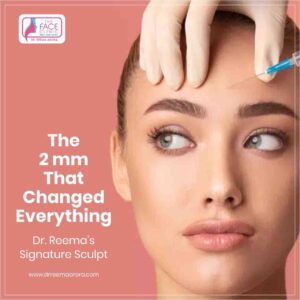
PDRN injection treatment illustrating regenerative polynucleotide therapy for skin repair and collagen stimulation
Images are for illustrative purposes only and may not represent actual patients or outcomes. Individual results vary based on anatomy, clinical assessment, and personalised treatment planning.

What Is PDRN Therapy? A Scientific 2026 Expert Guide to Skin Regeneration & Rejuvenation

PDRN therapy is an advanced regenerative treatment used in aesthetic dermatology to improve skin quality, stimulate collagen production, and support long-term skin regeneration. It is commonly classified under regenerative injectable skin treatments, designed to activate biological pathways involved in dermal repair and overall skin renewal.

Recent advances in regenerative dermatology have shifted the focus from temporary cosmetic correction to long-term skin health. Rather than only improving the visible appearance of the skin, treatments such as PDRN therapy are designed to support deeper cellular repair, collagen stimulation, and structural skin improvement. This shift reflects a growing demand for treatments that enhance skin health at a deeper, structural level rather than offering only short-term results.

PDRN, derived from purified DNA fragments, has been studied in regenerative medicine for its role in supporting tissue repair and wound healing. In aesthetic practice, it is often referred to as “salmon DNA therapy” due to its origin and regenerative properties. PDRN injections are used to improve skin elasticity, enhance texture, and restore skin vitality gradually by stimulating the skin’s natural repair processes.

Unlike traditional treatments that focus on adding volume or tightening tissues, PDRN therapy works by activating the skin’s own repair mechanisms. Because this approach targets biological regeneration rather than immediate volumisation, improvements develop progressively as the skin responds to treatment.

In 2026, PDRN therapy is increasingly incorporated into combination treatment protocols, often used alongside procedures such as microneedling, laser therapies, or skin boosters to enhance overall results. It is also gaining popularity for targeted concerns such as under-eye rejuvenation and acne scar improvement, reflecting a growing shift toward personalised regenerative skin treatments.

Due to its role in improving dermal structure, collagen support, and long-term skin quality, PDRN therapy is now widely used by experienced aesthetic practitioners worldwide as part of modern strategies focused on sustainable skin improvement rather than short-term cosmetic change.

For individuals considering professional care, exploring options for expert PDRN treatment in Delhi can help ensure safe, doctor-led treatment protocols tailored to individual skin needs.

What Is PDRN Therapy? (Quick Answer)

PDRN therapy is a doctor-led regenerative injectable treatment that helps improve skin quality by supporting collagen production, enhancing cellular repair, and promoting natural skin regeneration at a dermal level. It is commonly used for gradual, natural-looking skin rejuvenation with minimal downtime.

PDRN Therapy: Quick Facts

PDRN therapy is an advanced regenerative injectable treatment used in aesthetic dermatology to improve skin quality, stimulate collagen production, and support long-term skin regeneration. It is classified as a minimally invasive skin rejuvenation procedure that works at a cellular level to promote dermal repair and skin renewal.

Because of its regenerative properties, PDRN therapy is now considered a core component of modern regenerative aesthetics.

What Is PDRN Therapy?

PDRN therapy (also known as PDRN treatment) is an advanced regenerative injectable skin treatment used in aesthetic dermatology. It is designed to improve skin quality, stimulate collagen production, and support long-term dermal regeneration.

In simple terms, PDRN therapy is a non-surgical injectable treatment that helps repair and regenerate the skin at a cellular level, improving overall skin quality.

PDRN (polydeoxyribonucleotide) is a compound composed of purified DNA fragments that has been studied in regenerative medicine for its role in supporting tissue repair and cellular regeneration. In clinical practice, PDRN therapy involves precise micro-injections into the superficial layers of the skin, allowing targeted delivery of regenerative compounds directly into the dermis.

Once delivered into the skin, PDRN interacts with biological pathways involved in tissue repair and dermal renewal. This helps activate processes involved in cellular regeneration, collagen synthesis, and skin repair.

This injectable approach improves the skin’s ability to restore itself over time, leading to gradual and natural-looking improvements in texture, elasticity, and overall tissue vitality.

In modern aesthetic practice, PDRN therapy is classified as a regenerative injectable treatment and is also commonly referred to as “salmon DNA therapy” due to its origin and regenerative properties. It is widely used in clinical dermatology and aesthetic medicine as part of advanced skin regeneration protocols.

These protocols are typically delivered in a clinical setting with sterile techniques and customised treatment planning based on individual skin needs. Treatment outcomes can vary depending on skin condition, protocol selection, and practitioner expertise.

Unlike treatments designed primarily to add volume or alter facial contours, PDRN therapy focuses on improving the structural health of the skin. For this reason, it is often chosen by individuals seeking non-surgical skin rejuvenation with gradual, natural-looking results and minimal downtime.

Because of these properties, PDRN therapy is widely used in personalised treatment plans to address concerns such as early skin ageing, reduced elasticity, uneven skin texture, acne scars, and environmentally damaged skin. In 2026, it is increasingly incorporated into advanced skin rejuvenation protocols along with treatments such as microneedling, laser therapy, or skin boosters to enhance regenerative outcomes.

Over time, the biological response stimulated by PDRN therapy supports improved dermal structure, better tissue resilience, and long-term enhancement in overall skin quality.

For those exploring clinical options, choosing expert PDRN treatment in Delhi with personalised, doctor-led care tailored to your specific concerns can help ensure safe, effective, and results-focused treatment.

How PDRN Therapy Works for Skin Regeneration

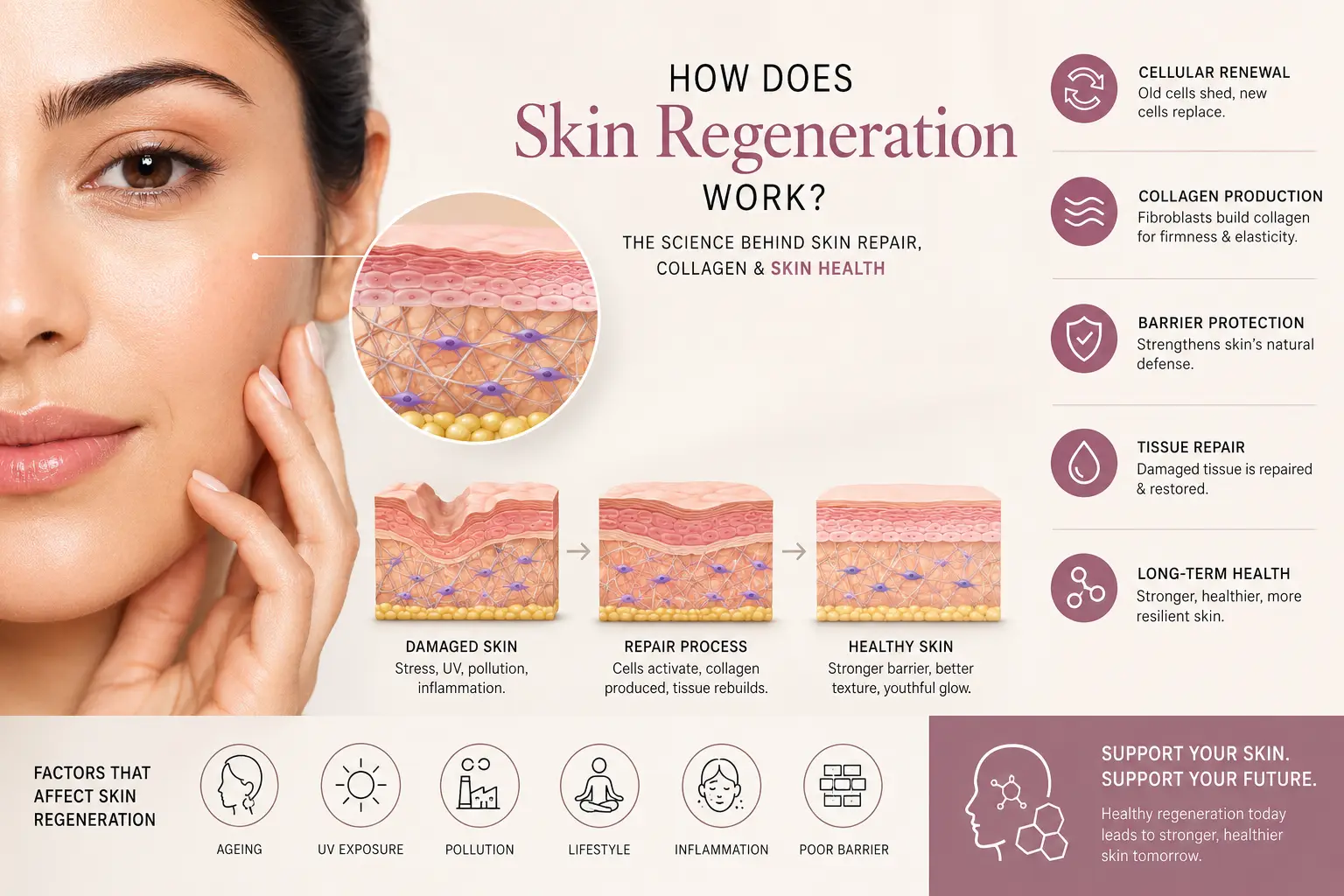
The skin naturally undergoes continuous cycles of repair and renewal. However, factors such as ageing, ultraviolet exposure, environmental stress, and chronic inflammation can gradually slow these regenerative processes. Over time, this may lead to visible changes such as reduced elasticity, uneven texture, and loss of radiance.

PDRN therapy works by supporting the skin’s natural regenerative and healing mechanisms. Polydeoxyribonucleotide (PDRN) compounds interact with biological pathways involved in tissue repair, cellular regeneration, and collagen synthesis, helping improve the skin’s structural integrity over time.

Once delivered into the skin through micro-injections, PDRN begins to act within the dermal layer by stimulating natural repair activity. This process helps restore healthier skin function and gradually improves overall skin quality in a natural and progressive manner.


Cellular Repair Activation

Polydeoxyribonucleotide has been studied in regenerative medicine for its role in supporting cellular repair and tissue regeneration. In dermatology, this activity is associated with improved healing responses and enhanced dermal recovery, especially in skin affected by ageing or environmental damage.

Benefits of PDRN Therapy for Skin

PDRN therapy focuses on skin regeneration rather than immediate cosmetic correction, meaning results develop gradually as the skin’s natural repair mechanisms are activated. Patients undergoing PDRN skin treatment typically aim to improve skin texture, restore radiance, and support long-term dermal health.

This regenerative approach has made PDRN therapy an important part of modern aesthetic dermatology, where the focus is shifting toward long-term skin quality improvement and cellular repair, rather than short-term aesthetic enhancement.


What Skin Concerns Can PDRN Therapy Improve?

PDRN skin treatment is used in aesthetic dermatology to support skin regeneration, collagen stimulation, and dermal repair. Because it works through biological repair pathways, it is commonly recommended for concerns related to skin structure, elasticity, and overall skin vitality.

In regenerative dermatology, PDRN injections support cellular repair processes, which may help improve visible skin changes associated with ageing, inflammation, and environmental damage. It is often included in treatment plans designed for gradual and natural improvement in skin quality.


Skin Ageing and Loss of Elasticity

With age, collagen and elastin production naturally decline, leading to reduced firmness, fine lines, and loss of elasticity.

PDRN therapy supports collagen synthesis and dermal remodeling, which may help improve skin resilience over time. This can lead to gradual improvements in firmness, elasticity, and overall dermal quality.


Acne Scars

Acne scars develop when inflammation disrupts normal healing and causes uneven dermal structure.

PDRN injections may support tissue regeneration and skin remodeling, helping improve the appearance of certain types of acne scars. It is often used as part of combination treatment plans for overall texture improvement.


Under-Eye Skin Quality

The under-eye area has thinner, delicate skin that is prone to dullness, fine lines, and loss of elasticity.

Because PDRN therapy focuses on regeneration rather than volume enhancement, it may be used in carefully selected cases to support skin quality improvement in delicate areas, helping improve texture and dermal strength over time.


Skin Texture and Radiance

Sun exposure, pollution, and ageing can affect skin smoothness and overall glow.

PDRN therapy supports dermal repair and skin renewal processes, which may lead to improved texture, better hydration balance, and enhanced radiance over time.


Skin Damage From Environmental Stress

Environmental factors such as UV radiation, pollution, and oxidative stress can weaken the skin barrier and slow regeneration.

PDRN skin treatment may help support skin repair and barrier recovery mechanisms, improving resilience and reducing visible signs of environmental damage.

PDRN skin treatment diagram showing polydeoxyribonucleotide mechanism supporting cellular repair and tissue regeneration
Images are for illustrative purposes only and may not represent actual patients or outcomes. Individual results vary based on anatomy, clinical assessment, and personalised treatment planning.

PDRN vs PRP : Which Is Better?

Regenerative aesthetic dermatology increasingly focuses on biologically active therapies that enhance skin repair rather than provide temporary cosmetic effects. Among the most widely used modalities are PRP (Platelet-Rich Plasma) and PDRN (Polydeoxyribonucleotide), which operate through distinctly different regenerative mechanisms.

PRP (Platelet-Rich Plasma) is an autologous biologic obtained from the patient’s own blood. It contains a concentrated pool of growth factors such as PDGF, TGF-β, and VEGF, which directly activate fibroblasts and endothelial cells. This leads to collagen synthesis, angiogenesis, and extracellular matrix remodeling. Clinically, PRP is most effective where structural regeneration is required, including acne scarring, dermal volume loss, and hair follicle stimulation.

PDRN (Polydeoxyribonucleotide) is a purified DNA-fragment–based bioactive compound derived from controlled nucleic acid sources. Its primary mechanism is adenosine A2A receptor activation, which enhances tissue repair through anti-inflammatory pathways, improved microcirculation, and cellular recovery support. Unlike PRP, it does not primarily act via direct growth factor delivery, but rather by optimising the dermal healing environment. This makes it particularly suitable for skin quality improvement, barrier dysfunction, dehydration, post-procedure recovery, and early photoageing, especially in sensitive skin types.

Clinical Differentiation (Core Concept)

  • PRP → Growth factor–driven structural regeneration (collagen + tissue remodeling)
  • PDRN → Inflammation-modulated functional repair (skin quality + healing optimisation)

Clinical Interpretation

In contemporary aesthetic practice, the distinction is not based on superiority but on biological target depth:

  • PRP is selected when the goal is reconstruction of dermal architecture
  • PDRN is selected when the goal is restoration of skin function and quality

Both therapies are frequently integrated within combination protocols depending on patient-specific indications and physician-led assessment.

Where PDRN Treatment Can Be Used

One key advantage of regenerative injectable therapies like PDRN treatment is their ability to improve skin quality across multiple anatomical areas of the face and neck. PDRN skin treatment works by supporting cellular repair, dermal regeneration, and collagen stimulation, and is therefore used in areas where the skin requires improvement in texture, elasticity, and overall dermal health rather than structural alteration.

In clinical aesthetic practice, treatment suitability is determined after a detailed skin assessment by a qualified practitioner, where factors such as skin thickness, degree of ageing, scar depth, and overall tissue condition are evaluated. This helps ensure that PDRN therapy is used appropriately within safe and clinically guided protocols.


Face Rejuvenation

PDRN injections are commonly used for facial skin rejuvenation in patients with early signs of ageing, including dullness, fine lines, and reduced elasticity.

Treatment is typically applied to areas such as the cheeks, forehead, and perioral region, where supporting dermal function can help improve skin texture, hydration balance, and overall radiance over time.


Under-Eye Area

The under-eye region has thin, delicate, and highly sensitive skin, making it more prone to early ageing changes such as dryness, fine lines, and uneven tone.

In selected patients, PDRN therapy may be used as part of a carefully controlled regenerative protocol to support dermal repair and improve skin quality in this area. Due to anatomical sensitivity, treatment requires precise technique and clinical judgment.


Acne Scar Zones

Acne scars are associated with dermal structural changes caused by inflammation and altered wound healing processes.

PDRN therapy may support dermal remodeling and extracellular matrix repair, which can help improve skin texture irregularities and gradually soften the appearance of atrophic acne scars. It is often used as part of a multimodal dermatology treatment plan.


Neck Rejuvenation

The neck is prone to age-related collagen depletion, dermal thinning, and reduced elasticity, which can become visible earlier than other areas.

PDRN injections may support collagen remodeling and dermal regeneration in the neck region, helping improve skin firmness, elasticity, and overall structural quality when performed under clinical supervision.

PDRN injection treatment areas on the face including under eyes, cheeks, and skin rejuvenation zones
Images are for illustrative purposes only and may not represent actual patients or outcomes. Individual results vary based on anatomy, clinical assessment, and personalised treatment planning.

What Happens During a PDRN Therapy Session

A typical PDRN skin treatment session is a minimally invasive clinical procedure designed to deliver regenerative compounds into the skin using precise micro-injection techniques. The goal is to introduce polydeoxyribonucleotide (PDRN) into the superficial dermal layer, where it may support biological processes involved in tissue repair, cellular regeneration, and skin rejuvenation.

Although protocols may vary based on individual skin concerns and treatment goals, most sessions follow a structured clinical approach to ensure safety, precision, and consistent treatment outcomes.


Treatment Planning and Skin Assessment

Before the procedure, the skin is evaluated through a clinical assessment by a qualified practitioner. This helps identify concerns such as loss of elasticity, uneven texture, acne scars, and areas of reduced skin quality.

Based on this evaluation, a personalised treatment plan is created, including injection areas and depth to support targeted dermal repair and skin regeneration.


Skin Preparation

The treatment area is thoroughly cleansed to maintain a sterile clinical environment. In many cases, a topical anaesthetic cream may be applied to improve comfort during the procedure.

Once prepared, the practitioner marks the specific points for injection based on the treatment plan.


Micro-Injection Technique

PDRN is administered using very fine needles or micro-injection techniques, allowing accurate placement within the superficial dermis.

This ensures even distribution of polydeoxyribonucleotide across the treatment area, supporting biological processes involved in cellular repair, collagen stimulation, and dermal regeneration.

The technique is designed to improve overall skin quality rather than alter facial structure, ensuring uniform and controlled delivery.


Session Duration and Comfort

A typical PDRN therapy session takes approximately 20–30 minutes, depending on the treatment area and injection points required.

Most patients tolerate the procedure well, as it involves fine needles and optional numbing cream, with only mild and temporary discomfort in some cases.

PDRN Results Timeline: What to Expect After Treatment

TimeframeBiological ActivityWhat You May Notice
Week 1Early hydration response, initial skin recoverySkin feels more hydrated and slightly smoother
Week 2–3Activation of cellular repair pathwaysImproved texture, mild radiance, better skin balance
Week 4–6Collagen support and dermal remodelingImproved elasticity, softer fine lines, smoother appearance
After Multiple SessionsOngoing regeneration and tissue strengtheningOverall improvement in skin quality, texture, and resilience

⚖️ Key Insight

PDRN therapy supports natural skin regeneration, so improvements develop gradually as part of the skin’s biological repair process.


💬 Is This the Best Option for Me?

PDRN therapy is best suited for individuals seeking progressive, natural-looking skin improvement rather than immediate or dramatic changes. A personalised, doctor-led consultation helps determine the most appropriate treatment plan for your skin.

PDRN therapy infographic illustrating collagen stimulation and fibroblast activation for skin regeneration
Images are for illustrative purposes only and may not represent actual patients or outcomes. Individual results vary based on anatomy, clinical assessment, and personalised treatment planning.

Is PDRN Treatment Safe?

PDRN therapy is generally considered safe and well-tolerated when performed by a qualified medical professional in a clinical setting. It uses purified polydeoxyribonucleotide (PDRN), a biocompatible compound that supports skin repair, regeneration, and overall dermal health.

Most patients may experience mild, temporary effects such as slight redness, minimal swelling, or small injection marks, which typically resolve within a short period. The overall risk remains low when appropriate injection technique, sterile protocols, and careful patient selection are followed.

For optimal safety, treatment should be performed under medical supervision at The Face Clinic by an experienced practitioner such as Dr. Reema Arora, ensuring accurate assessment, clinical precision, and evidence-based care.

How Many PDRN Therapy Sessions Are Needed?

Regenerative injectable treatments such as PDRN therapy are typically delivered as a structured course of sessions rather than a single procedure. This is because PDRN works by supporting cellular repair, collagen synthesis, and gradual dermal regeneration, which requires repeated stimulation over time to achieve optimal improvement in skin quality.

Most clinical dermatology protocols recommend a series of treatments spaced at regular intervals, allowing the skin to respond, recover, and regenerate between sessions.


Recommended Number of Sessions

In most cases, patients require 2 to 4 PDRN therapy sessions depending on individual skin condition and treatment goals.

Sessions are usually spaced 3 to 4 weeks apart, which supports ongoing collagen remodeling and tissue regeneration while maintaining treatment effectiveness.


Factors That Influence Number of Sessions

The treatment plan may vary based on:

  • Skin condition and level of ageing
  • Presence of acne scars or texture irregularities
  • Treatment area (face, under-eye, neck, etc.)
  • Overall skin health and regenerative response
  • Individual aesthetic goals

A personalised clinical assessment by a qualified practitioner is essential to determine the most appropriate treatment schedule.


Maintenance Sessions

After completing the initial treatment course, some patients may opt for maintenance sessions every 4 to 6 months to help sustain improvements in:

  • Skin texture
  • Elasticity
  • Radiance
  • Dermal quality

This approach supports long-term maintenance of regenerative skin benefits, especially in ageing or environmentally stressed skin.

Downtime and Recovery After PDRN Therapy

One of the key advantages of regenerative injectable treatments such as PDRN therapy is their minimal downtime and relatively quick recovery profile. Because the procedure uses fine needles and superficial micro-injection techniques, most patients are able to resume normal daily activities shortly after treatment.

This makes PDRN therapy suitable for patients seeking skin regeneration with minimal interruption to routine lifestyle.


Temporary Injection Effects

Immediately after treatment, some mild and short-term skin reactions may occur, including:

  • Small injection marks
  • Mild redness
  • Slight swelling or tenderness

These effects are typically expected, mild in nature, and self-limiting, and usually resolve within a few hours to 1–2 days depending on individual skin sensitivity.


Skin Recovery Timeline

Initial post-treatment effects generally subside quickly, while underlying regenerative processes continue at the dermal level.

Over the following weeks, gradual improvements may be observed in:

  • Skin texture
  • Elasticity
  • Dermal firmness
  • Overall skin quality

These changes occur as part of the natural collagen remodeling and cellular regeneration process stimulated by the treatment.


Post-Treatment Care

After PDRN therapy, patients are generally advised to follow simple aftercare measures to support optimal healing and results, such as:

  • Avoiding direct sun exposure for 24–48 hours
  • Using a gentle skincare routine
  • Maintaining adequate skin hydration
  • Avoiding exfoliation or active ingredients for a short period

These precautions help support skin barrier recovery and reduce temporary irritation.

For general medical guidance on injectable aesthetic procedures and post-treatment care, you can refer to the, injectable skin treatment safety guidelines by American Academy of Dermatology 

skin quality improvement after PDRN polynucleotide treatment showing enhanced hydration and texture
Images are for illustrative purposes only and may not represent actual patients or outcomes. Individual results vary based on anatomy, clinical assessment, and personalised treatment planning.

Cost of PDRN Therapy in India / Delhi

The cost of PDRN therapy in India, particularly in cities like Delhi, can vary based on several clinical and procedural factors. These include the experience of the treating practitioner, clinic standards, quality of the PDRN product, and the number of sessions required based on individual skin condition.

Since PDRN therapy is a medical-grade regenerative injectable treatment, pricing is typically determined on a per-session and case-specific basis, as treatment plans are personalized according to skin needs and regenerative goals.


Average Cost Range

In India, a single session of PDRN skin treatment generally ranges from:

₹12,000 to ₹20,000 per session

However, the total cost may vary depending on:

  • Severity of skin concerns (ageing, acne scars, texture issues)
  • Treatment area (face, under-eye, neck, etc.)
  • Number of sessions required in the treatment plan
  • Practitioner expertise and clinical setting
  • Quality and authenticity of the PDRN formulation used

Patients with more advanced skin concerns may require a multi-session regenerative protocol, which can affect the overall treatment cost.


Factors That Influence Cost

Unlike basic cosmetic procedures, PDRN therapy is a clinically guided regenerative treatment, where outcomes depend strongly on:

  • Precision of injection technique
  • Sterile medical environment
  • Individualized treatment planning
  • Experience of the aesthetic practitioner

Because of these factors, cost variations between clinics often reflect clinical quality, safety standards, and treatment expertise rather than the procedure alone.


Importance of Quality Over Price

When considering PDRN therapy, it is essential to prioritize clinical expertise, product authenticity, and safety standards over price alone. Proper technique and medical supervision are critical for achieving safe, consistent, and natural-looking regenerative results.

A personal consultation with a qualified aesthetic doctor is recommended to evaluate skin condition and determine a precise treatment plan and cost estimate tailored to individual needs.

Who Is a Suitable Candidate for PDRN Therapy?

Suitable candidates for PDRN skin treatment are typically individuals seeking improvement in skin quality, texture, and dermal vitality through regenerative therapy.
 
Because the treatment focuses on supporting skin regeneration rather than restoring facial volume, it may be appropriate for patients interested in gradual improvement in the structural health of their skin.
 
Common candidates include individuals experiencing:
  • early signs of skin ageing

  • reduced skin elasticity

  • dull or uneven skin texture

  • acne scars

  • environmentally stressed or weakened skin
A detailed skin assessment is important before undergoing regenerative injectable therapy. Treatment suitability depends on factors such as skin condition, treatment goals, and overall skin health.
 
Patients who may require additional evaluation include those with:
  • active skin infections

  • certain inflammatory skin conditions

  • other dermatological concerns requiring medical assessment
A personalised consultation helps determine whether regenerative therapies such as PDRN are appropriate for the patient’s specific skin concerns.

Where to Get PDRN Therapy in Delhi

At The Face Clinic, regenerative skin treatments are performed following a detailed medical assessment and individualized treatment planning.
 
Under the clinical guidance of Dr. Reema Arora, treatment protocols focus on improving skin quality, dermal health, and long-term skin vitality using carefully selected regenerative therapies.
 
A comprehensive consultation helps evaluate factors such as:
  • skin structure and elasticity

  • texture irregularities

  • signs of dermal ageing

  • treatment goals and expectations
This assessment allows the treatment plan to be tailored to support skin regeneration and collagen stimulation while maintaining a natural, balanced aesthetic approach.
 
Patients interested in learning more about clinical protocols and treatment approaches can explore our dedicated page on PDRN skin treatment in Delhi, which explains how regenerative injectable therapies are performed in a medical aesthetic setting.

Frequently Asked Questions About PDRN Therapy

What is PDRN therapy?

PDRN therapy is a regenerative injectable treatment that delivers polydeoxyribonucleotide (PDRN) into the skin to support cellular repair, collagen synthesis, and dermal regeneration. It is used in clinical aesthetic practice to improve skin quality and promote long-term skin health.


How does PDRN therapy work?

PDRN supports natural skin repair by stimulating fibroblast activity and enhancing collagen production within the dermis. This process helps improve tissue healing and gradually enhances skin texture, elasticity, and overall vitality.


What are the benefits of PDRN therapy?

PDRN therapy may help improve:

  • skin texture and smoothness
  • elasticity and firmness
  • hydration and radiance
  • acne scars and uneven skin quality

Results develop progressively as the skin undergoes natural regeneration.


Who is a suitable candidate for PDRN therapy?

This treatment is typically suitable for individuals with early signs of ageing, reduced skin elasticity, dullness, or acne scarring. It is often chosen by patients seeking non-surgical skin regeneration with minimal downtime. Suitability should be confirmed through a clinical assessment.


Is PDRN therapy the same as dermal fillers?

No. Dermal fillers restore volume and contour, while PDRN therapy focuses on improving skin quality through regeneration and collagen support. It does not add volume or alter facial structure.

👉 Readers interested in volumising treatments can explore dermal fillers treatment for facial volume.


Is PDRN therapy the same as polynucleotide treatment?

PDRN therapy is part of the broader category of polynucleotide-based treatments. Both aim to support dermal repair and skin regeneration, though they may differ in formulation and clinical application.


How long do results of PDRN therapy last?

Results typically develop over several weeks and may last for a few months. Duration depends on individual skin condition, lifestyle factors, and whether maintenance treatments are performed.


How many sessions of PDRN therapy are needed?

Most treatment plans involve 2 to 4 sessions, spaced approximately 3 to 4 weeks apart. The exact number depends on skin concerns and clinical evaluation.


Is there any downtime after PDRN therapy?

Downtime is minimal. Mild redness, slight swelling, or small injection marks may occur temporarily, but most individuals resume normal activities on the same day.


Is PDRN therapy safe?

PDRN therapy is generally considered safe when performed by a qualified medical professional in a clinical setting. It uses biocompatible compounds, and side effects are usually mild and short-lived.


Can PDRN therapy be combined with other treatments?

Yes. It is often combined with treatments such as microneedling, laser procedures, or PRP to enhance overall results. Combination approaches are planned based on individual skin needs.

Considering PDRN Therapy?

If you are considering PDRN therapy to improve skin quality, a personalised medical consultation is essential to determine whether the treatment is appropriate for your skin condition, concerns, and long-term goals.

At The Face Clinic, treatment protocols are developed following a detailed clinical assessment under the supervision of Dr. Reema Arora, who has over 18 years of experience in aesthetic medicine. Regenerative therapies such as PDRN are incorporated into structured, doctor-led treatment plans focused on improving skin regeneration, collagen support, and overall dermal health.

Treatment suitability is determined after evaluating key factors such as skin thickness, elasticity, texture irregularities, and specific concerns including acne scars, early ageing changes, or under-eye skin quality. This ensures that PDRN therapy is used appropriately within a safe, evidence-based clinical framework.

For a detailed understanding of how PDRN therapy is performed in practice, including treatment protocols, safety considerations, and expected results, you can explore our comprehensive guide to PDRN skin treatment in Delhi.

Experience Advanced PDRN Therapy for Skin Regeneration

If you’re looking for a refined, doctor-led approach to improving skin quality, PDRN therapy offers a scientifically guided path to long-term skin regeneration and dermal health.

At The Face Clinic, every treatment is planned with precision under the expertise of Dr. Reema Arora, focusing on personalised care, clinical safety, and natural-looking results.

From detailed skin assessment to customised regenerative protocols, the goal is to deliver outcomes that are not only visible—but sustainable over time.

👉 Book your personalised consultation to discover if PDRN therapy is best for you, or explore our in-depth guide on PDRN treatment in Delhi to understand the treatment process, safety, and expected results.

All treatments are subject to individual variation. Outcomes are determined following clinical evaluation by a qualified doctor.